Edgar Haircut: What It Is, Who It Suits and How to Style It
The Edgar haircut is hard to miss.
It has a blunt fringe.
Short or faded sides.
A strong, rounded shape.
Some versions look clean and controlled.
Others look like someone placed a cereal bowl on the head and lost their nerve halfway through.
The difference is not luck.
It is the cut. The balance. The texture. The product.
This guide explains what an Edgar haircut is, who it suits, what to ask your barber and how to style it using the right Hairbond products.
What Is an Edgar Haircut?
The Edgar haircut is a short men’s hairstyle with a straight or blunt fringe, a cropped top and faded or tapered sides.
The fringe is the main feature. It normally runs in a sharp line across the forehead. The top may be smooth, textured, messy, fluffy, curly or spiked.
The sides are commonly finished with:
- A low taper
- A low fade
- A mid fade
- A high fade
- A skin fade
- A burst fade
The Edgar is often compared with the Caesar cut and French crop. However, the Edgar usually has a sharper fringe, a rounder overall shape and more contrast between the top and sides.
It is closely associated with Mexican-American and wider Latino youth culture, particularly in parts of Texas, New Mexico, Arizona and California. Its exact naming origin remains disputed.
Edgar Haircut at a Glance
Best for: Thick, straight, coarse, wavy or curly hair
Main feature: A short, blunt fringe
Typical sides: Tapered or faded
Typical finish: Matte, textured and controlled
Maintenance: Medium to high
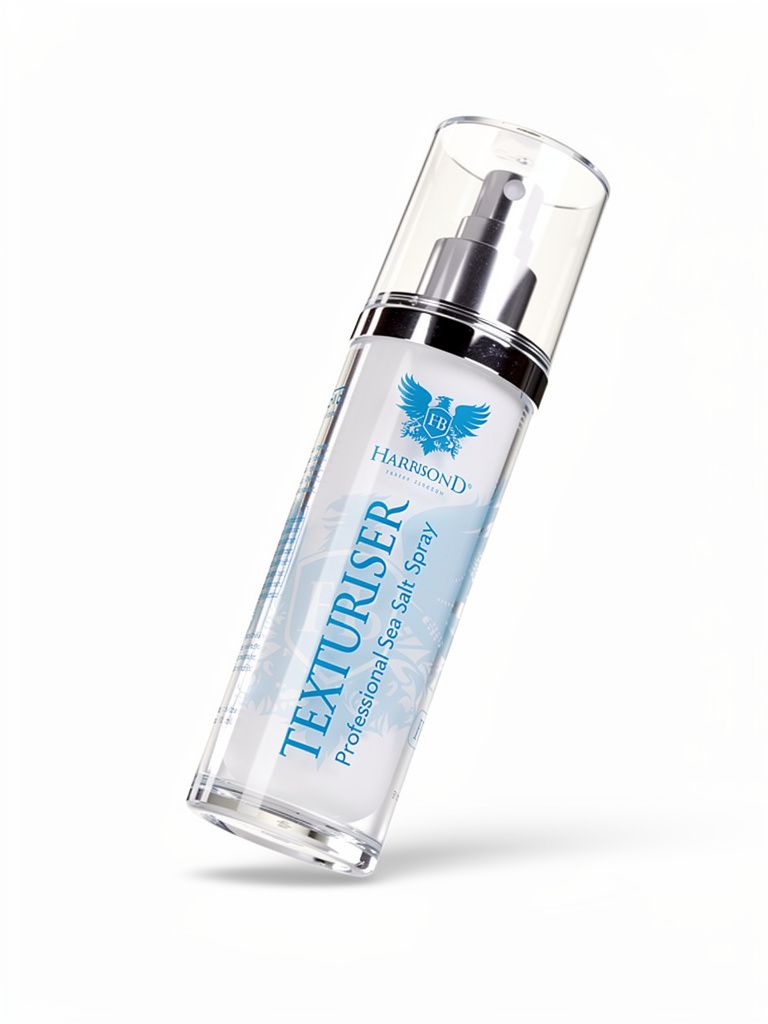
Best Hairbond products: Wonder Primer, Sea Salt Spray, Distorter Clay and Super Fibre
Best styling method: Prepare, dry forward, build texture, then lock the shape
Why Is It Called the Edgar Haircut?
There is no proven answer.
One popular story claims the haircut was named after former baseball player Edgar Martínez. That story has been repeated online, but the connection remains uncertain.
The cut is also linked with the Takuache style and is sometimes called:
- The Takuache haircut
- The Cuh haircut
- The Mexican Caesar
- The Mexican bowl cut
- The blunt fringe fade
The haircut has become an important expression of identity for some young Latino men. It should not be reduced to a joke, stereotype or lazy assumption about the person wearing it.
Hair carries culture.
People forget that until someone else’s culture becomes fashionable.
Is the Edgar Haircut Still Popular?
Yes. The Edgar haircut remains a recognisable Gen Z style, but softer, textured and more wearable versions are becoming more common.
The original shape can be severe.
A hard fringe.
A high fade.
A heavy rounded top.
Modern versions often soften those features. They use lower tapers, broken texture and less rigid lines.
The result still looks like an Edgar.
It just looks less like the barber used a spirit level.
Who Does the Edgar Haircut Suit?
The Edgar can be adapted to many hair types.
That does not mean the same version works for everyone.
Thick straight hair
Thick, straight hair is well suited to the classic Edgar.
It can hold the blunt fringe and rounded shape. The top has enough weight to sit forward without collapsing.
The danger is bulk.
If the barber leaves too much weight around the sides and crown, the haircut can become a helmet.
The top needs internal texture. The sides need a clean blend. The fringe needs to look deliberate.
Coarse hair
Coarse hair creates a strong Edgar shape.
It holds lines well. It can also become stubborn.
This is where product selection matters.
A weak product may disappear into coarse hair. A greasy wax may make the top look solid and heavy.
Barber supplies .. it’s what we live for.
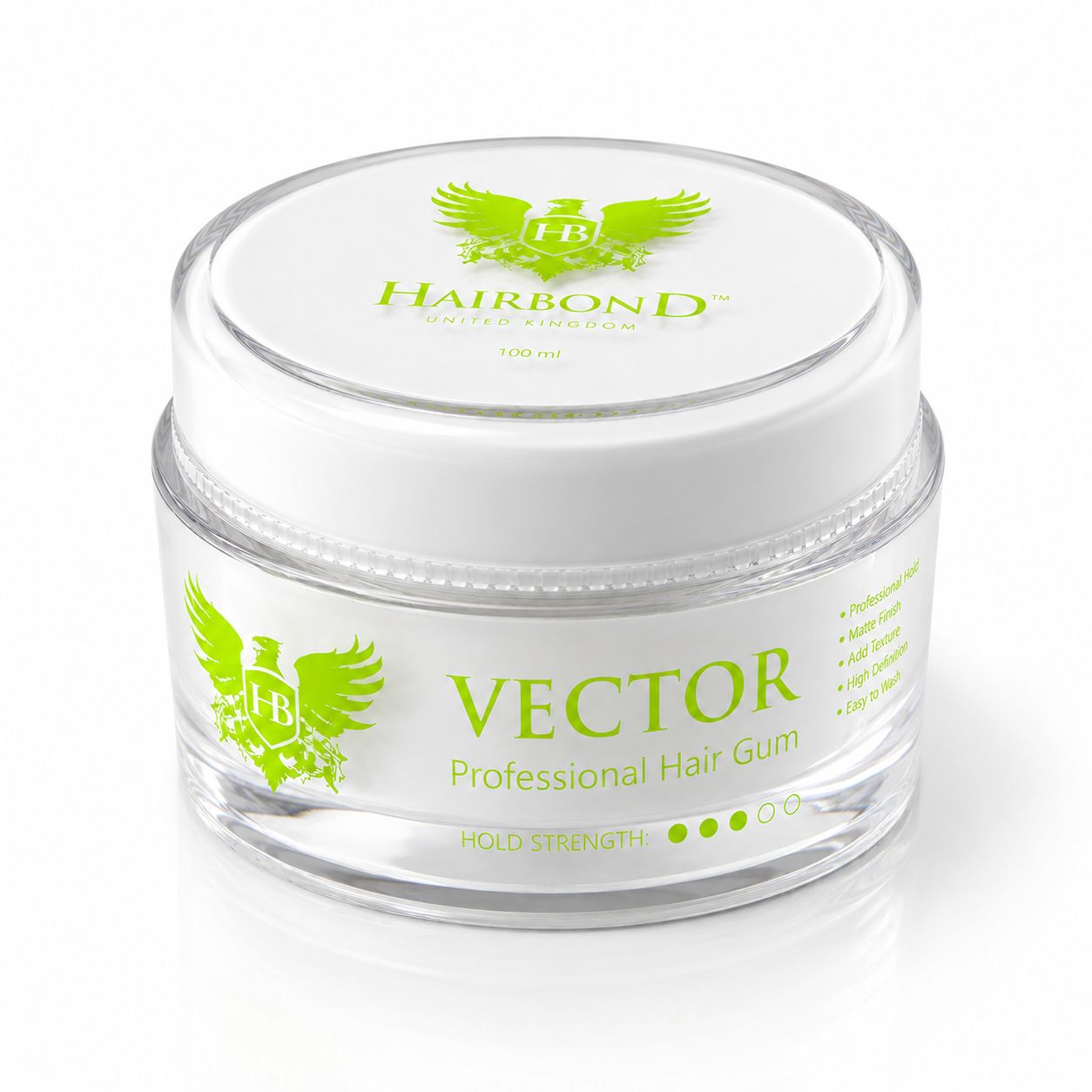
A classy, premium range of products made and designed by barbers; for barbers. Whilst a go to British designer label for top barbershops, Hairbond Distorter Clay is the better solution when coarse hair needs separation, movement and matte control.
Fine hair
Fine hair can wear an Edgar, but the cut must be lighter.
A heavy, long fringe may split or expose the scalp. Too much product will make this worse.
Ask for:
- A shorter textured top
- A softer fringe
- A low or mid fade
- Internal texture
- Less weight at the front
Hairbond Sea Salt Spray can help create body before drying. Hairbond Super Fibre can then add lightweight control.
Fine hair needs structure.
It does not need half a tub of wet wax dragging it toward the floor.
Wavy hair
Wavy hair creates a softer Edgar haircut.
The fringe will not always sit in one severe line. That can be a good thing.
Natural movement makes the haircut feel less rigid. Ask the barber to work with the wave rather than cutting across it without thought.
Use Hairbond Wonder Primer to improve manageability. Follow with Sea Salt Spray to encourage texture and body.
Curly hair
Curly hair creates one of the strongest modern Edgar variations.
The sides remain faded or tapered. The top keeps its natural curl. The fringe can be shaped into a softer line across the forehead.
The barber should avoid cutting curls as though they are straight.
Curls rise as they dry. Cut the fringe too short while wet and you may leave the salon looking surprised for a month.
What Face Shape Suits an Edgar Haircut?
The Edgar is a bold shape.
It changes how the face appears. That must be considered before the clippers start humming.
Oval face
An oval face can usually carry most Edgar variations.
Keep the top balanced. Too much height can make the face appear longer.
A classic Edgar with a low or mid fade should work well.
Long or oblong face
The forward fringe can help shorten the appearance of a longer face.
Avoid taking the sides too tight and the top too high. That creates more length, which is the opposite of the job.
Choose a low taper or low fade.
Keep some width around the temples.
Square face
A square face works well with the sharp lines of an Edgar.
The blunt fringe can strengthen the overall shape. However, the haircut can look severe if every line is made too hard.
Add texture through the top to break it up.
Round face
A very rounded Edgar can make a round face look wider.
The solution is controlled height and less width at the sides.
Ask for:
- A cleaner fade
- More texture through the centre
- A slightly higher top
- Less bulk above the ears
Heart-shaped face
A blunt fringe can reduce the appearance of a wider forehead.
Keep enough weight through the sides to balance a narrower chin. An extreme high skin fade may make the top of the face appear even wider.
What Should You Ask Your Barber For?
Do not simply say, “Give me an Edgar.”
That is like ordering “a car” and being shocked when a van arrives.
There are many Edgar haircut variations.
Show your barber a clear photograph. Ideally, show the front, side and back.
Then use this wording:
“I want an Edgar haircut with a blunt fringe across the forehead. Keep the top short but textured so it does not look like one solid block. Give me a low taper or low fade around the sides and neckline. Keep enough weight to connect the top to the fade.”
Tell the barber:
- How short you want the fringe
- Whether you want the fringe sharp or broken
- How much texture you want on top
- How high the fade should begin
- Whether you want skin showing
- How often you are willing to maintain it
A good barber should also consider:
- Your hairline
- Your forehead
- Your natural growth pattern
- Your crown
- Your hair density
- Your face shape
The haircut on the photograph belongs to someone else’s head.
Your barber’s job is to make the idea work on yours.
The Best Edgar Haircut Variations
1. Classic Edgar haircut
The classic Edgar has a straight fringe, a short rounded top and faded sides.
It is clean. Bold. Unapologetic.
This version works best on thick or coarse straight hair.
Style it with Hairbond Distorter Clay for a matte finish with controlled separation.
2. Low taper Edgar
The low taper Edgar is more subtle.
Only the sideburns, ears and neckline are taken down. More weight remains around the sides.
This helps the top connect naturally.
It is a good choice for school, work or anyone who wants the shape without an aggressive fade.
3. Low fade Edgar
The low fade starts near the ears and neckline.
It creates more contrast than a taper but remains balanced. This is one of the safest Edgar options for most face shapes.
Use a small amount of Hairbond Super Fibre to keep the top controlled without covering the fade in greasy shine.
4. Mid fade Edgar
The mid fade begins higher on the sides.
It makes the top look heavier and more dominant. This suits thick hair and strong facial features.
The shape needs regular maintenance.
Once the fade grows, the contrast softens.
5. High fade Edgar
The high fade removes most of the weight from the sides.
This creates a harsh, disconnected finish. It is bold. It is also unforgiving.
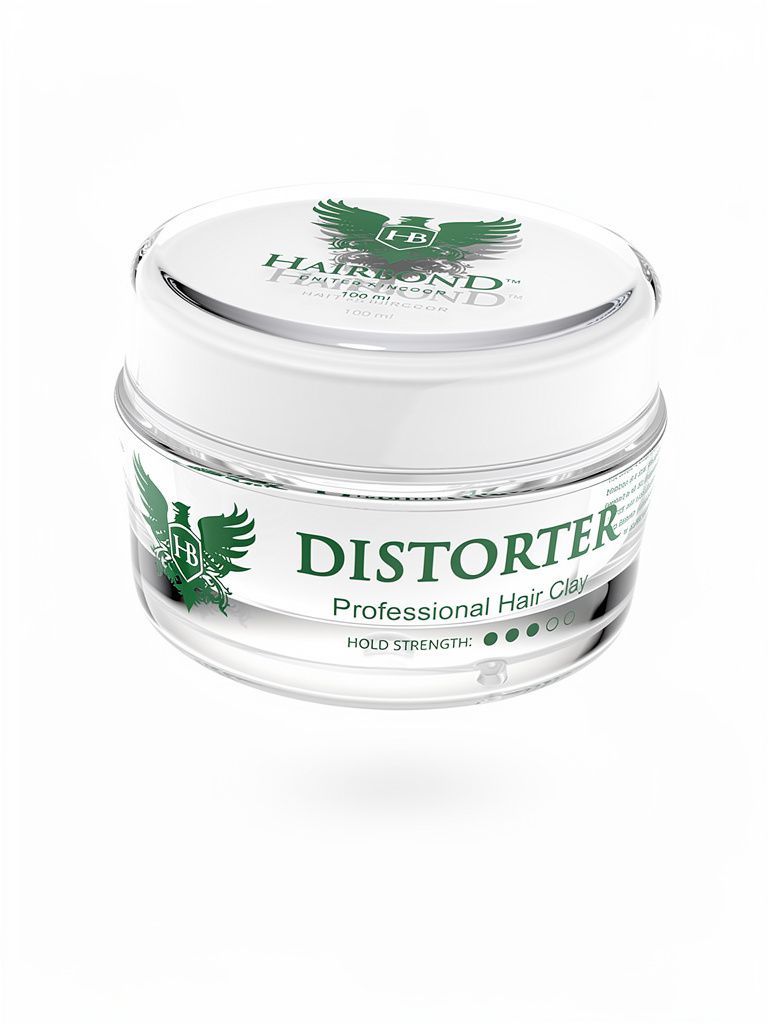
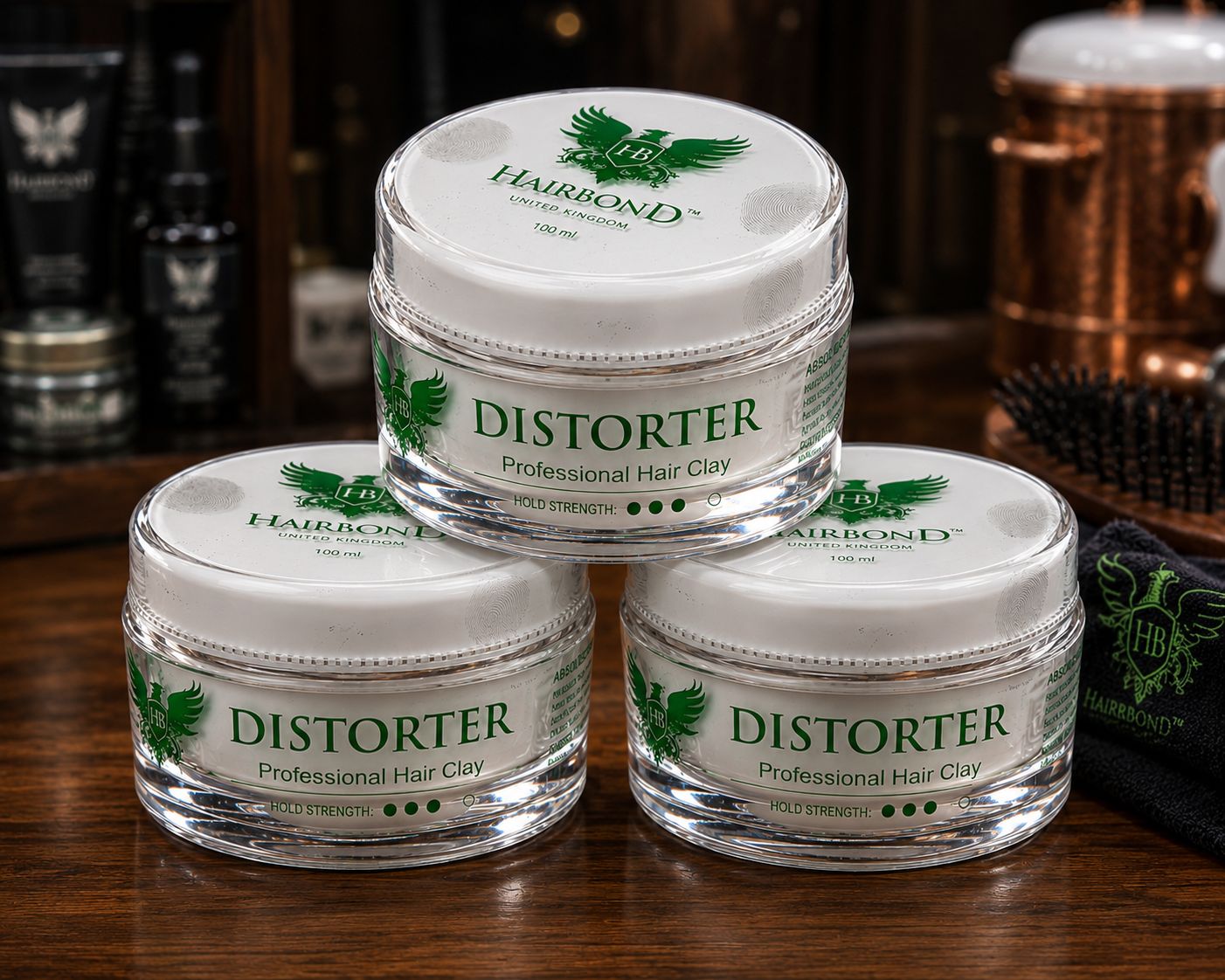
The high fade Edgar works best when the top has enough density to Hairbond’s Distorter Professional Hair Clay 100ml is the perfect product for you. This lightweight clay provides a medium hold the shape.
Fine hair may struggle.
6. Textured Edgar haircut
The textured Edgar breaks up the top with choppy layers and visible separation.
The fringe may remain straight, but the surface feels lighter.
This is more wearable than the traditional solid shape.
Hairbond Sea Salt Spray and Distorter Clay work together here.
The spray builds the texture.
The clay defines it.
7. Fluffy Edgar haircut
The fluffy Edgar leaves more length and volume through the top.
The fringe is softer. The finish is airy rather than hard.
This version suits thick, wavy or slightly curly hair.
Hairbond Sea Salt Spray is useful when the roots need lift and the top needs movement without stiffness.
8. Messy Edgar haircut
The messy Edgar keeps the blunt front but loosens the rest of the top.
The finish should look natural.
That does not mean random.
Use Hairbond Distorter Clay. Work it through dry hair. Pinch small sections. Break up the surface.
Messy hair still needs a plan.
Otherwise, it is just bed hair with marketing.
9. Curly Edgar haircut
The curly Edgar combines a shaped fringe with natural curls and faded sides.
It has more movement than the straight version.
Start with Hairbond Wonder Primer to make the hair easier to manage. Dry with a diffuser. Use a small amount of Distorter Clay only where extra definition is needed.
Do not crush every curl with product.
Curls need space.
10. Spiky Edgar haircut
The spiky Edgar lifts sections through the top while keeping the front line visible.
This adds height and creates a sharper silhouette.
Use Hairbond Super Fibre when the hair needs stronger control and definition.
Work from the roots upward.
Do not paint the product over the surface.
11. Mullet Edgar haircut
The Edgar mullet keeps the blunt fringe and faded sides but leaves more length at the back.
It combines two loud haircuts.
This requires confidence.
It also requires an honest friend.
12. Edgar haircut with design
Some Edgar cuts include shaved lines, patterns or shapes within the fade.
These designs can look sharp when fresh. They grow out quickly.
Choose a skilled barber.
A badly cut design does not look rebellious.
It looks like the clippers sneezed.
How to Style an Edgar Haircut
A strong Edgar needs four stages:
- Prepare the hair
- Create the direction
- Build texture or control
- Finish the shape
Skipping the first stages and attacking dry hair with wax is not a system.
It is panic.
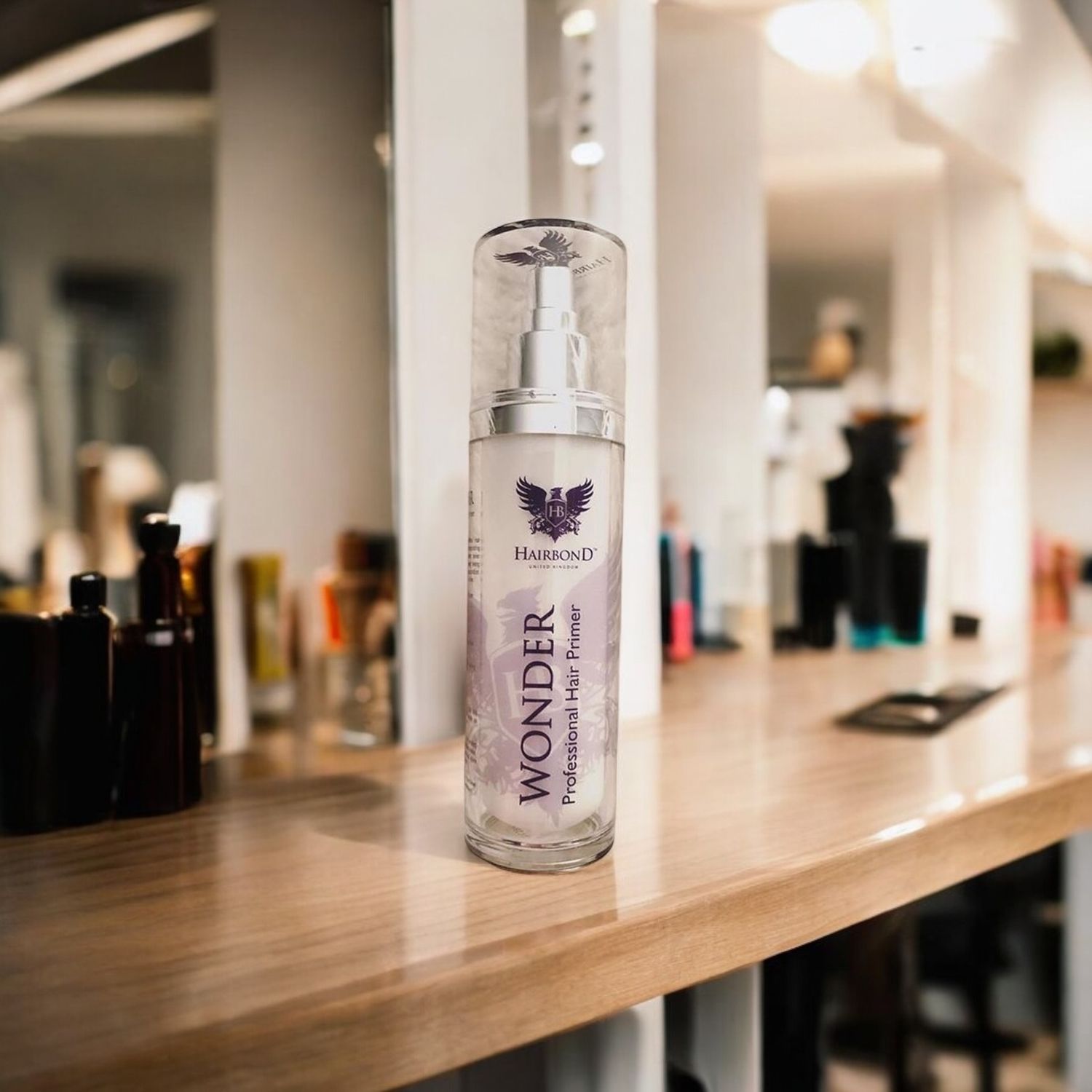
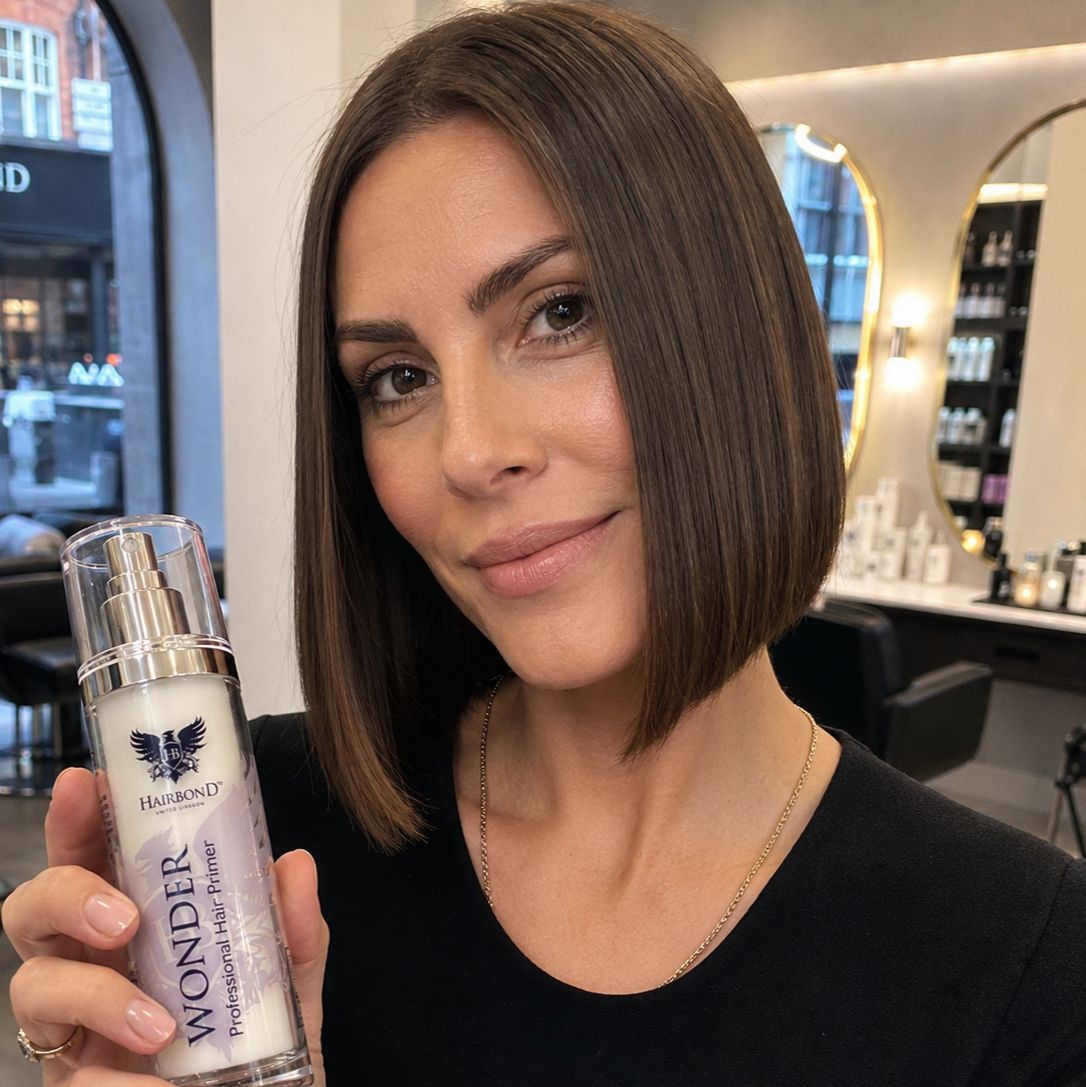
Step 1: Prepare With Hairbond Wonder Primer
Hairbond Wonder Primer is the starting solution when the hair is:
- Dry
- Tangled
- Hard to control
- Frizzy
- Difficult to comb
- Resistant to styling
Apply it to clean, damp hair.
Work it through evenly. Focus on the areas that become dry or difficult to manage.
The primer helps improve manageability and makes the hair easier to comb, detangle and style.
This matters because the Edgar relies on direction.
The hair must move forward.
A primer does not create the finished style. It prepares the surface so the next products can work properly.
Think of it as laying the pitch before the match.
No one buys a ticket to watch the groundsman.
But the game is worse without him.
Step 2: Build Texture With Hairbond Sea Salt Spray
Hairbond Sea Salt Spray is the solution when the Edgar haircut:
- Falls flat
- Lacks volume
- Looks too smooth
- Has no visible separation
- Will not hold a fluffy shape
- Needs more grip before styling
Spray it lightly through damp hair.
Focus on the roots and top. Do not soak the fringe.
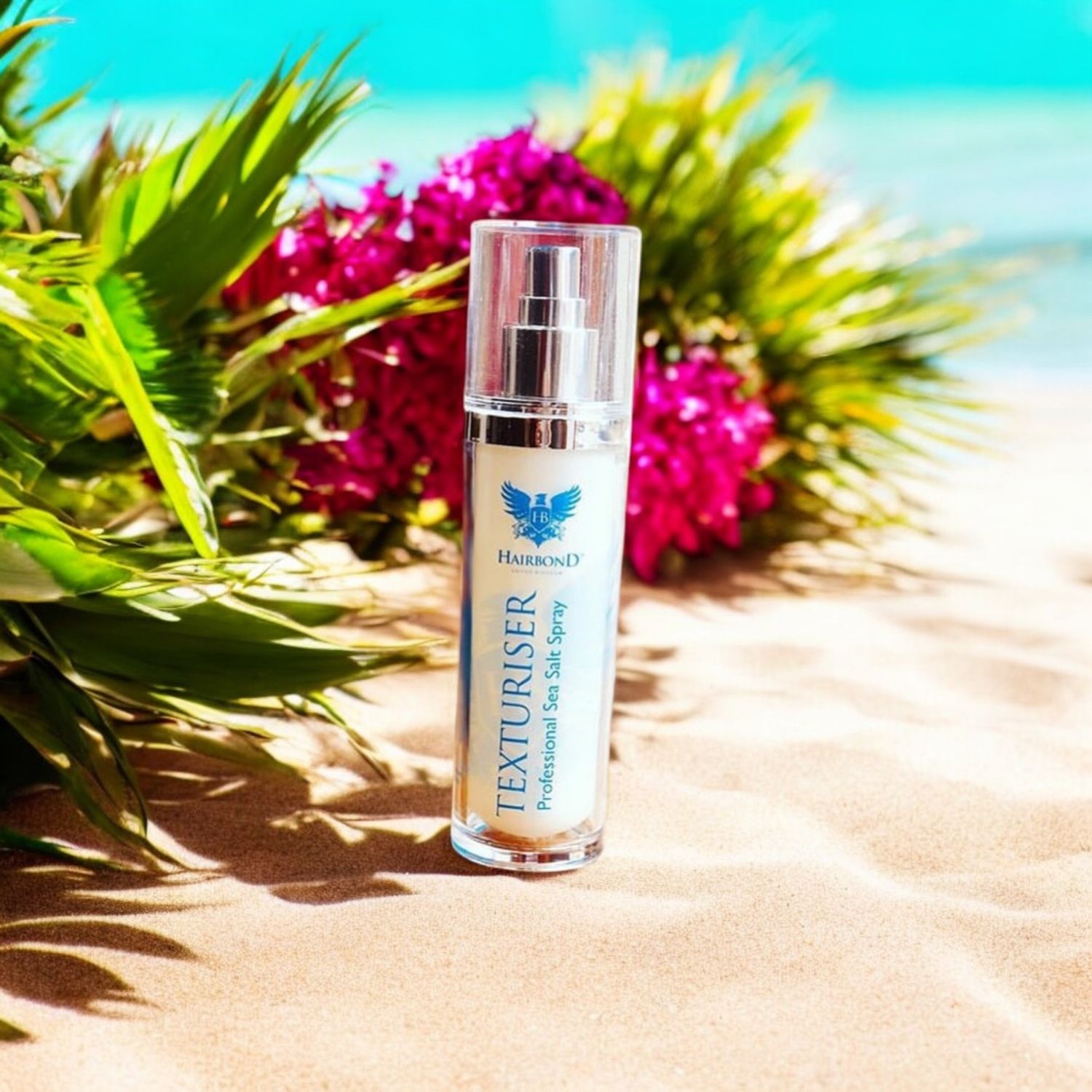
Hairbond Sea Salt Spray adds texture, body and movement while leaving a flexible, matte-looking finish. It can also help enhance natural waves and curls.
Use a hairdryer while pushing the hair forward.
Lift sections with your fingers to create texture.
For a traditional Edgar, dry the fringe downward and forward.
For a fluffy Edgar, lift the roots first. Then guide the fringe into place.
For a curly Edgar, use a diffuser and lower heat.
The hairdryer builds the structure.
The finishing product holds it.
Step 3: Choose the Correct Hairbond Finisher
This is where many men get it wrong.
They buy one product and expect it to solve every hair problem.
Hair does not work like that.
Choose the finisher based on the result you need.
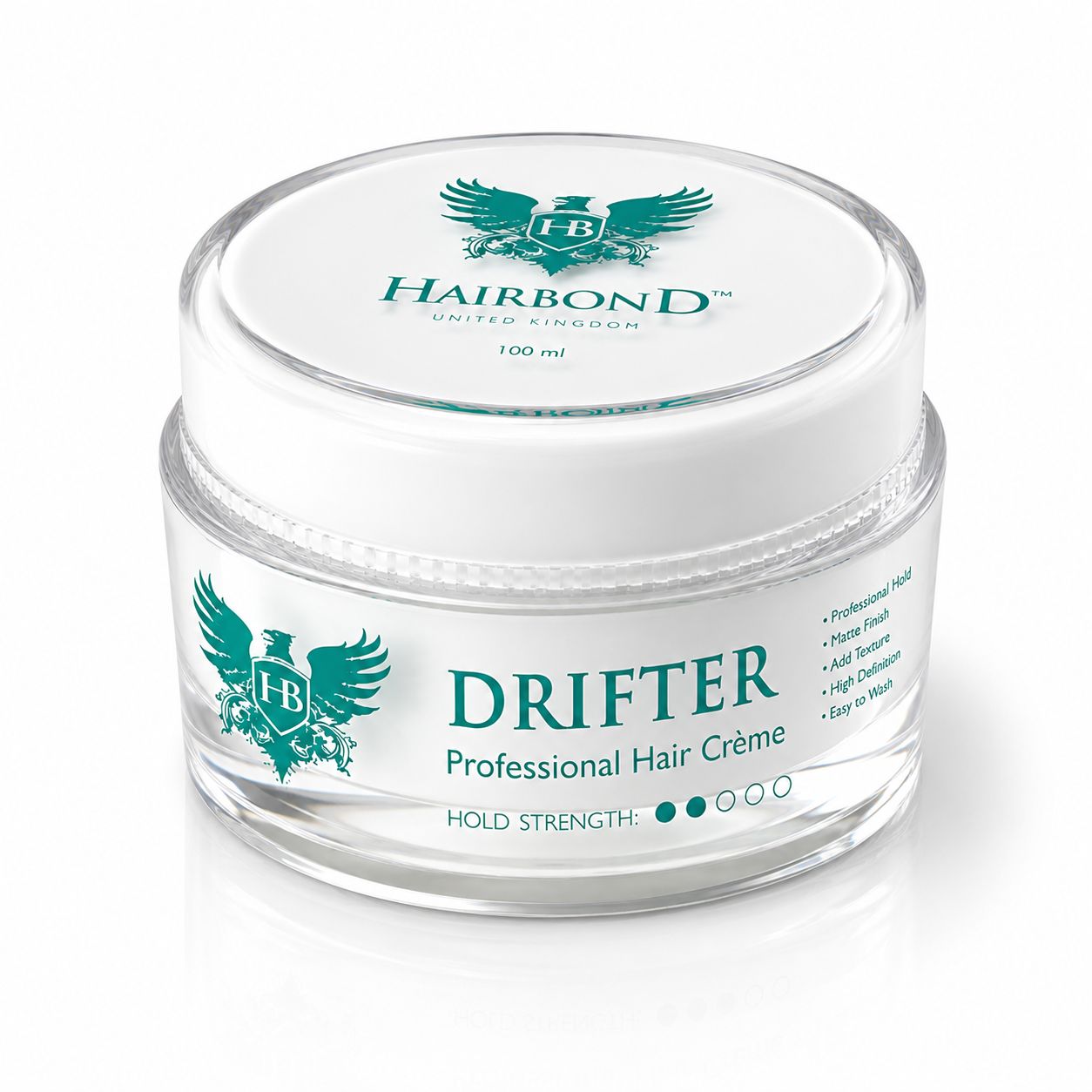
Choose Hairbond Distorter Clay for texture and movement
Use Distorter Clay when the Edgar needs:
- A matte finish
- Choppy texture
- Visible separation
- Flexible control
- Less bulk
- A relaxed finish
Hairbond Distorter Clay provides medium, flexible hold with a matte finish. It is built for texture without making the hair feel stiff or crunchy.
It is best for:
- Textured Edgar cuts
- Messy Edgar cuts
- Thick hair
- Coarse hair
- Wavy hair
- Softer fringes
Take a small amount.
Warm it between your palms.
Apply it from the back toward the front. Work through the mid-lengths and ends.
Finish the fringe last.
This prevents too much product collecting at the front.
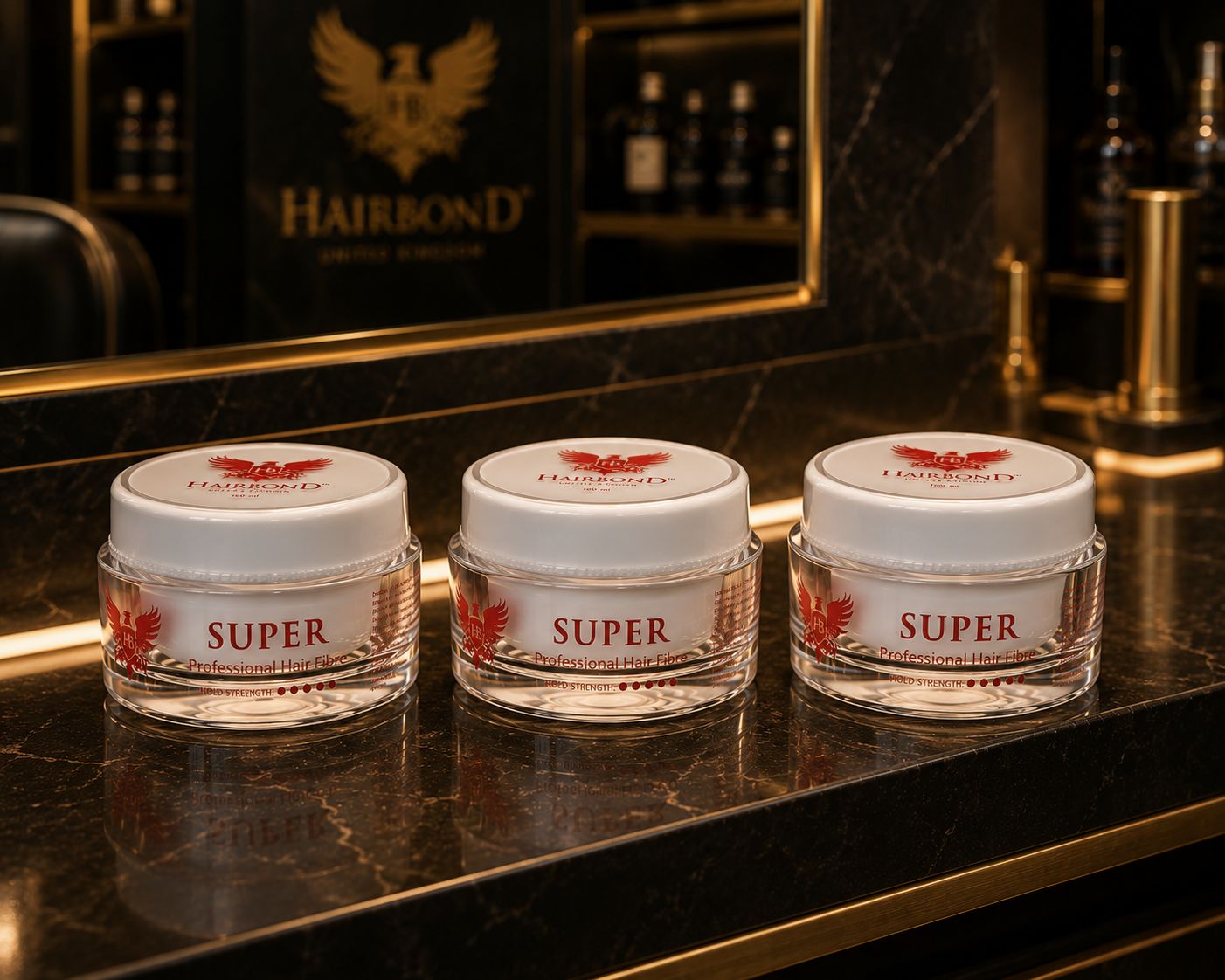
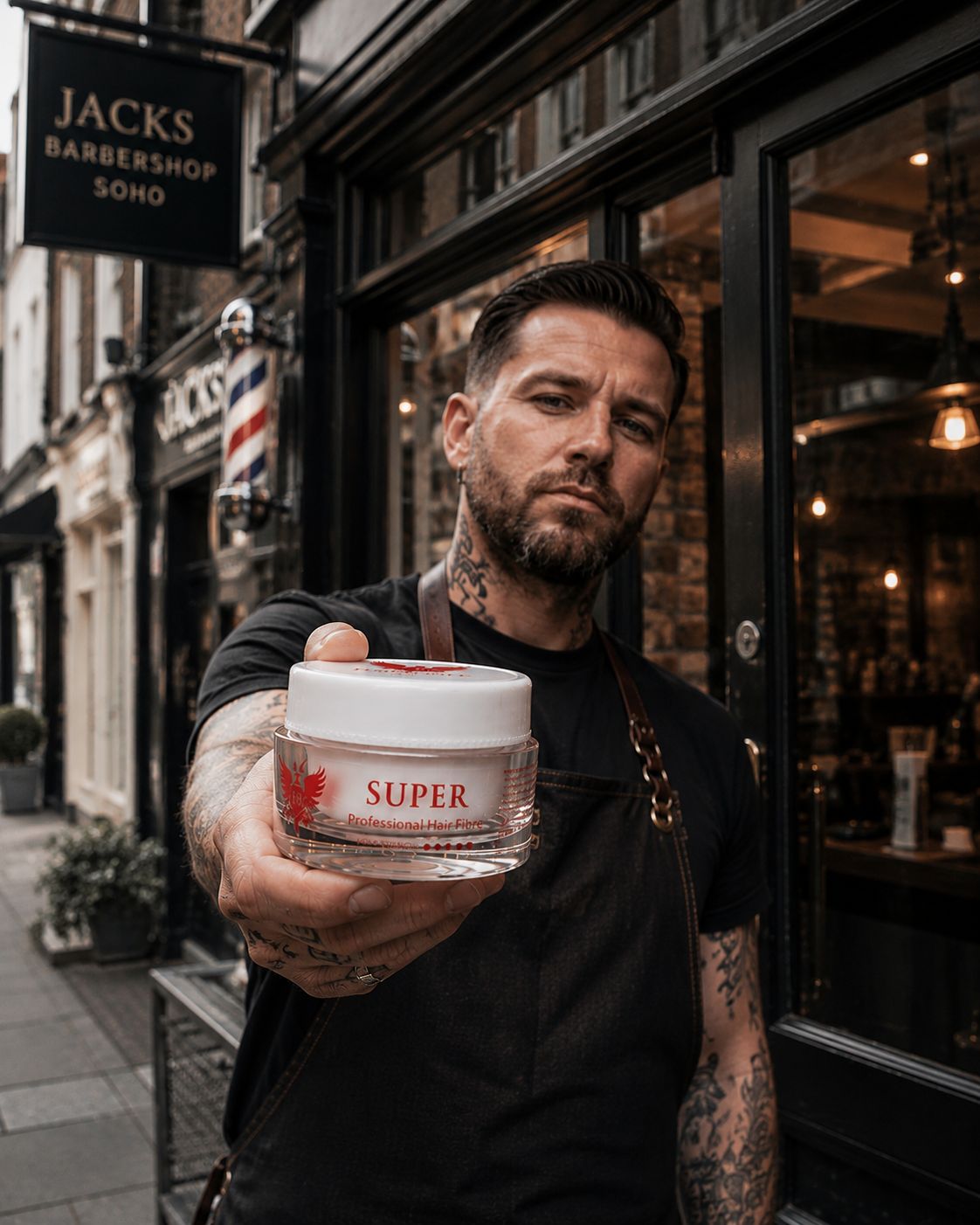
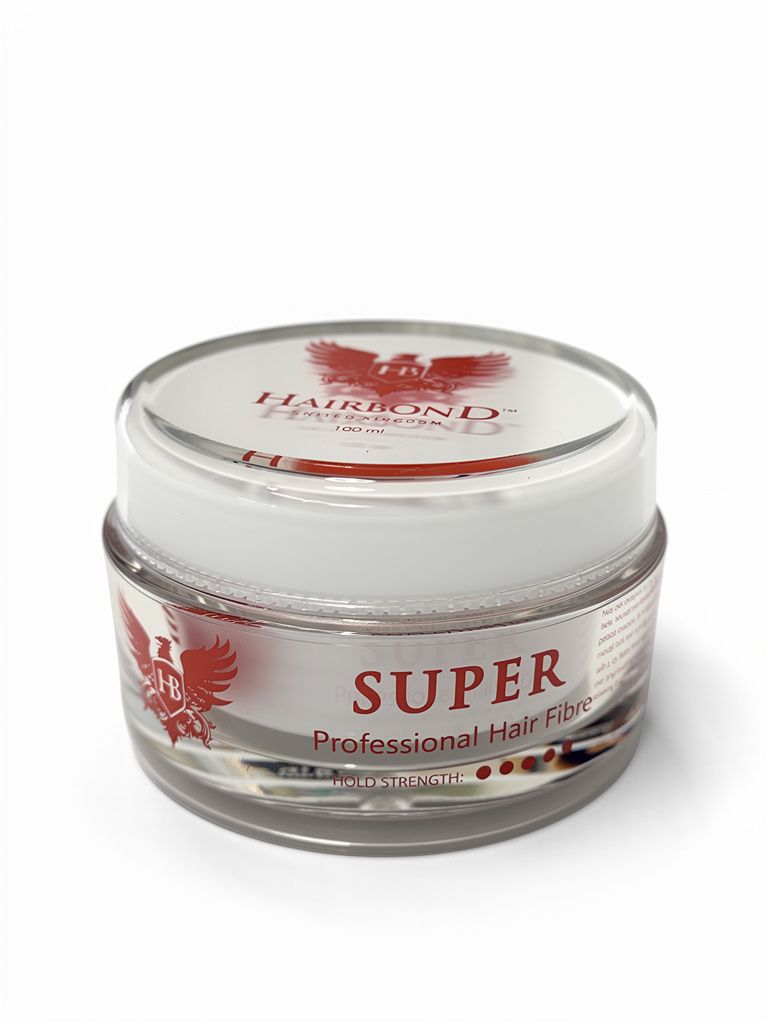
Choose Hairbond Super Fibre for stronger structure
Use Super Fibre when the Edgar needs:
- Stronger control
- More definition
- Root lift
- A sharper shape
- Hold through the working day
- Lightweight texture on finer hair
Hairbond Super Fibre is a strong option when hair needs shape and control without a heavy, greasy finish. Hairbond describes it as providing lightweight texture and a matte finish that does not drag fine hair flat.
It is best for:
- Short classic Edgar cuts
- Spiky Edgar cuts
- Fine or medium hair
- Stubborn fringes
- Hair that loses shape quickly
Apply a small amount to dry or almost-dry hair.
Push the top forward.
Pinch the texture into place.
Use what is left on your hands to control the fringe.
Do not begin with a lump of product at the hairline.
That is how fringes separate, shine and confess defeat.
The Hairbond Edgar Styling System
The product choice becomes simple when you identify the problem.
Problem: The hair is dry or difficult to control
Solution: Hairbond Wonder Primer
It prepares the hair and improves manageability before styling.
Problem: The top looks flat
Solution: Hairbond Sea Salt Spray
It adds grip, body and movement before blow-drying.
Problem: Thick hair looks heavy
Solution: Hairbond Distorter Clay
It breaks up the surface and creates matte separation.
Problem: Fine hair will not hold its shape
Solution: Hairbond Super Fibre
It adds control and texture without relying on greasy weight.
Problem: The style looks stiff and artificial
Solution: Use less product
Hairbond products are concentrated styling tools.
They are not wallpaper paste.
Start small. Build only when needed.
Can You Style an Edgar Haircut Without a Hairdryer?
Yes.
But the result may have less volume and control.
For a simple classic Edgar:
- Towel-dry the hair
- Apply a light amount of Wonder Primer
- Comb or push the hair forward
- Allow it to become almost dry
- Finish with Distorter Clay or Super Fibre
Air-drying works best when the hair already follows the correct direction.
A hairdryer is more useful when the hair:
- Grows upward
- Falls to one side
- Has a cowlick
- Needs root lift
- Needs a fluffy shape
- Collapses during the day
The dryer is not just for drying.
It trains the direction.
How Much Hair Product Should You Use?
Less than most men use.
Start with an amount around the size of a small pea.
Warm it thoroughly between your palms. Spread it across both hands and fingers.
Apply evenly.
Add more only where needed.
Too much product can:
- Flatten the top
- Separate the fringe
- Make fine hair look thinner
- Create unwanted shine
- Make the haircut feel dirty
- Remove the natural texture
Good product should support the haircut.
It should not become the haircut.
Common Edgar Haircut Mistakes
Cutting the fringe too high
The Edgar fringe is short, but it must work with the forehead and hairline.
Too high can look accidental.
Start conservatively.
Hair can always be shortened.
Barbers have not yet invented the reverse clipper.
Making the top too heavy
A solid block of hair removes movement.
Ask for internal texture and weight removal where needed.
Taking the fade too high
A high fade may disconnect the top and exaggerate the rounded shape.
A low taper or low fade is usually safer.
Ignoring the crown
The front may look perfect while the crown stands up like a frightened cat.
The barber must connect the entire top.
Using wet-look gel
A wet finish can make the top look flat and the fringe look greasy.
The Edgar normally works better with texture and a matte or natural finish.
Choosing the haircut for the name
Not every trend suits every head.
The best barber adapts the style.
The worst barber copies it.
How Often Should You Cut an Edgar Haircut?
A sharp Edgar needs regular maintenance.
The fringe grows.
The fade softens.
The outline loses its shape.
Skin fades may show visible growth within a week. Tight fades are commonly maintained every two or three weeks, while softer cuts can be left longer.
Most Edgar wearers should consider:
- Fringe tidy: every two to three weeks
- Fade refresh: every two to three weeks
- Full reshape: every three to five weeks
A low taper grows out more naturally.
A high skin fade does not.
It goes from sharp to furry with alarming confidence.
Is the Edgar Haircut Low Maintenance?
The daily styling can be simple.
The barber maintenance is not.
A short Edgar may take only a few minutes to style. But the clean fringe and faded sides must be maintained.
The more precise the haircut, the more obvious the regrowth becomes.
That is the deal.
Sharp lines require standards.
Edgar Haircut Versus French Crop
The Edgar and French crop both use a forward fringe and short sides.
The difference is in the finish.
Edgar haircut:
- Straighter fringe
- Stronger outline
- Rounder shape
- More contrast
- Often sharper and more youthful
French crop:
- Softer fringe
- More broken texture
- More traditional shape
- Easier to wear professionally
- Usually less severe
The French crop whispers.
The Edgar arrives with speakers.
Edgar Haircut Versus Caesar Cut
The Caesar cut usually has an even, shorter length through the top with a softer fringe.
The Edgar tends to have:
- A sharper front line
- More volume or roundness
- A stronger fade
- More contrast
- More modern texture
The Caesar is the older relative.
The Edgar borrowed the fringe and turned up the fade.
Edgar Haircut Versus Broccoli Cut
The Edgar has a blunt or shaped fringe.
The broccoli cut has a fuller, curlier and wider top.
Both may use faded sides.
The Edgar is controlled and graphic.
The broccoli cut is fluffy and rounded.
One is a line.
The other is a cloud.
Frequently Asked Questions
What is an Edgar haircut?
An Edgar haircut is a short men’s cut with a blunt fringe, a cropped or textured top and faded or tapered sides.
What do I tell my barber for an Edgar haircut?
Ask for a short, forward-styled top with a blunt fringe across the forehead. Choose a low, mid or high fade and show a reference photograph.
Which hair type is best for an Edgar haircut?
Thick, straight or coarse hair creates the strongest classic Edgar. Wavy and curly hair can produce softer, more textured versions.
Can thin hair have an Edgar haircut?
Yes. Keep the top shorter and lighter. Use Hairbond Sea Salt Spray for body and a small amount of Hairbond Super Fibre for control.
What is the best Hairbond product for an Edgar haircut?
Use Hairbond Distorter Clay for a textured, matte Edgar. Use Hairbond Super Fibre when stronger structure or lightweight control is needed.
Can curly hair have an Edgar cut?
Yes. A curly Edgar combines a shaped fringe with natural curl and faded sides. Keep the fringe slightly longer because curls rise when dry.
Is an Edgar haircut the same as a bowl cut?
No. Both can have rounded shapes and blunt fringes, but an Edgar uses fades, tapers and modern texturing to create more contrast.
Is an Edgar haircut professional?
A softer Edgar with a low taper and broken fringe can work in many settings. A high skin fade with an extreme blunt line is more informal.
Is the Edgar haircut good for boys?
It can work well for boys and teenagers. Check school haircut rules before choosing a high fade, shaved design or extreme fringe.
How do you keep an Edgar haircut in place?
Prepare damp hair with Wonder Primer, add Sea Salt Spray for texture, blow-dry forward and finish with Distorter Clay or Super Fibre.
Final Verdict
The Edgar haircut is not subtle.
That is the point.
It gives the face a strong frame. It creates a clear line. It turns a simple short haircut into a statement.
But the cut alone is not enough.
The fringe can split.
The top can sit flat.
Thick hair can become heavy.
Fine hair can collapse.
Curly hair can become dry and difficult to shape.
That is where the Hairbond system solves the problem.
Wonder Primer prepares the hair.
Sea Salt Spray builds grip and volume.
Distorter Clay creates matte texture and separation.
Super Fibre adds stronger shape and control.
The barber creates the structure.
Hairbond makes it work after you leave the chair.
That is the real test of a haircut.
Not how it looks beneath the barbershop lights.
How it looks the next morning when you have five minutes, bad lighting and somewhere important to be.
About the Author
Scott Michaels is the founder of Hairbond and a former professional salon owner. He began his career in hairdressing as a teenager and later created Hairbond to deliver professional styling products with control, texture and confident finishes.
Hairbond has been developed around a simple principle:
The product should make the haircut perform.
It should never bury it.
Hairbond®
Hairbond® delivers British craftsmanship with modern swagger.
Trusted by barbers, hairdressers, footballers, celebrities and those who understand presentation, every product is created with purpose: refined formulas, distinctive scents and clean, confident finishes.
This is not vanity. It is personal style at its most assured.
British. Refined. Unmistakably Hairbond®.